Understanding Your Rights After a Multi-Car Crash with an Auto Accident Lawyer in Chicago, IL
Multi-vehicle accidents in Elmwood Park can leave victims overwhelmed when sorting through insurance claims from multiple parties and determining liability. The complexity multiplies when three or more vehicles collide in a chain reaction, creating layers of liability requiring careful legal analysis. If you’ve been injured in a pile-up on Harlem Avenue, North Avenue, or any busy Elmwood Park intersection, you may wonder whether multiple drivers diminishes your ability to recover full compensation. Illinois law provides clear pathways for victims to pursue damages even in complex multi-vehicle scenarios, though understanding how contribution laws and comparative negligence principles apply requires navigating specific governing statutes.
💡 Pro Tip: Document everything at the scene if safely possible – take photos of all vehicles involved, road conditions, and traffic signals. In multi-vehicle accidents, this evidence becomes crucial for establishing the sequence of events.
Don’t let the complexities of a multi-vehicle accident leave you with unanswered questions or insufficient compensation. At Lawyer Furqan, we’re here to guide you through every twist and turn of the claims process, ensuring that each responsible party is held accountable. Reach out today at 847.800.8978 or contact us to start on the path to recovery.
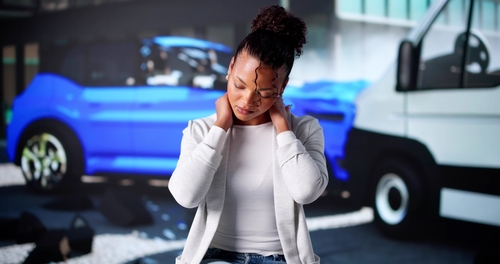
Illinois Law Protects Your Right to Recovery in Complex Crashes
Under Illinois law, specifically the modified comparative negligence rule (735 ILCS 5/2-1116), victims of multi-vehicle accidents retain strong rights to pursue compensation as long as they are not more than 50% at fault (meaning they can recover if they are 50% or less at fault). The Joint Tortfeasor Contribution Act (740 ILCS 100/2) governs how at-fault parties can seek contribution from each other when multiple tortfeasors are liable, establishing a framework for contribution among tortfeasors so multiple at-fault drivers can be held responsible for their respective shares of liability. Illinois follows a modified comparative negligence rule, allowing you to recover damages as long as you are not more than 50% at fault. This protection becomes particularly important in multi-vehicle scenarios where insurance companies may attempt to shift blame among various parties to minimize payouts.
💡 Pro Tip: Keep detailed records of all medical treatments and missed work days. In multi-vehicle cases, demonstrating your damages clearly helps prevent them from getting lost in the complexity of multiple insurance claims.
Navigating the Multi-Vehicle Accident Claims Process Step by Step
The timeline for resolving multi-vehicle accident claims in Elmwood Park typically extends longer than standard two-car collisions due to increased complexity in establishing fault patterns and coordinating with multiple insurance carriers. Your claim process begins immediately after the accident with police reports and insurance notifications, but full resolution may take several months to over a year depending on the number of parties involved and injury severity.
- Immediate post-accident phase: Police investigation, medical treatment, and initial insurance notifications within 24-48 hours
- Investigation phase: Insurance adjusters analyze liability, review IDOT crash data, and interview witnesses over 30-60 days
- Negotiation phase: Settlement discussions with multiple insurers, which may extend 3-6 months in complex cases
- Litigation phase if needed: Filing suit within Illinois’s two-year statute of limitations, with trial potentially 12-18 months later
Strategic Legal Representation Makes the Difference in Multi-Party Claims
Successfully recovering damages after a multi-vehicle Elmwood Park accident requires strategic coordination of claims against multiple insurance policies while protecting your interests from aggressive insurers seeking to minimize exposure. Under Illinois’s contribution statute, each at-fault driver’s insurance company has incentive to point fingers at other parties, potentially leaving victims caught in blame-shifting. Experienced legal representation from firms like Lawyer Furqan becomes invaluable, as they understand how to navigate the complex interplay of multiple insurance claims while ensuring total recovery reflects the full extent of your damages. An attorney familiar with Elmwood Park traffic patterns can leverage IDOT’s crash statistics to build compelling arguments about dangerous conditions or driver behaviors that contributed to your accident.
💡 Pro Tip: Don’t accept quick settlement offers from any insurer before understanding the full picture of liability. In multi-vehicle cases, early offers often undervalue claims because the full fault allocation hasn’t been determined.
Critical Factors That Impact Multi-Vehicle Accident Recovery in Elmwood Park
Several unique factors influence multi-vehicle accident claims in Elmwood Park, from specific traffic conditions on major corridors to application of Illinois’s proportionate liability rules. The National Highway Traffic Safety Administration’s Fatality Analysis Reporting System (FARS) provides nationwide data on motor vehicle crashes. Research shows multiple-impact crashes represent a significant portion of serious injuries (about 42% of MAIS 3+ injuries) and involve complex causation patterns, while single-vehicle crashes account for the majority of traffic fatalities. In Elmwood Park, where busy intersections and highway access points create opportunities for chain-reaction crashes, understanding these patterns helps build stronger cases for maximum recovery.
How Illinois Contribution Laws Affect Your Settlement
The Illinois Joint Tortfeasor Contribution Act fundamentally shapes how damages get allocated in multi-vehicle crashes. Under 740 ILCS 100/2(b), any defendant who pays more than their proportionate share can seek contribution from other at-fault parties. This creates a dynamic where insurance companies actively investigate each driver’s role to establish percentage-based liability. For victims, this means your total recovery may come from multiple insurance policies, with each insurer responsible for their driver’s share of fault.
💡 Pro Tip: Request copies of all police reports and witness statements early. In multi-vehicle cases, these documents often contain crucial details about the sequence of impacts that can significantly affect liability determinations.
Common Challenges in Elmwood Park Multi-Vehicle Accident Cases
Multi-vehicle accidents in Elmwood Park present unique challenges that can complicate recovery, from conflicting witness accounts to disputes over which impact caused specific injuries. IDOT’s interactive crash statistics tools reveal Elmwood Park experiences various types of multi-vehicle collisions, including rear-end chain reactions, intersection pile-ups, and highway merge accidents. Each type presents distinct legal and factual issues that must be addressed to secure full compensation. Insurance companies often exploit these complexities by arguing your injuries resulted from impacts caused by other drivers they don’t insure, attempting to reduce their financial responsibility.
Overcoming Insurance Company Tactics in Complex Claims
Insurance adjusters handling multi-vehicle accidents frequently employ tactics designed to minimize payouts, including disputing medical causation, arguing about pre-existing conditions, and attempting to shift liability percentages. They may claim certain injuries occurred in secondary impacts for which their insured driver bears no responsibility. Successfully countering these arguments requires thorough documentation, expert medical testimony, and sometimes accident reconstruction analysis. IDOT’s comprehensive crash data for Elmwood Park can provide valuable context for demonstrating how similar accidents typically unfold and what injury patterns commonly result.
Frequently Asked Questions
Common Legal Concerns After Multi-Vehicle Crashes
Understanding your rights and the legal process after a multi-vehicle accident in Elmwood Park helps you make informed decisions about pursuing compensation. These frequently asked questions address the most common concerns victims face when dealing with complex auto accident claims Illinois.
💡 Pro Tip: Write down all your questions before meeting with an attorney. Multi-vehicle cases involve many moving parts, and having your concerns documented ensures nothing gets overlooked.
Next Steps and Legal Process
Taking the right steps after a pile-up accident can significantly impact your ability to recover full damages. Understanding the legal process helps you navigate the complexities while protecting your rights under Elmwood Park Illinois auto accidents laws.
1. Can I still recover damages if multiple drivers caused my Elmwood Park Illinois auto accidents lawsuit?
Yes, Illinois law allows recovery from multiple at-fault parties in proportion to their liability. Each driver’s insurance company may be responsible for their share of your damages, and an experienced attorney can coordinate claims against all responsible parties to maximize recovery.
2. What if one driver in the chain reaction crash doesn’t have insurance?
You can still pursue claims against insured drivers and may use your own uninsured motorist coverage. Illinois contribution laws mean insured drivers cannot escape liability simply because another at-fault party lacks coverage – they remain responsible for their proportionate share.
3. How long do I have to file a multi-vehicle accident recovery Elmwood Park claim?
Illinois generally provides two years from the accident date to file a personal injury lawsuit. However, with multiple parties involved, some claims may have different deadlines, particularly if government vehicles were involved. Consulting an attorney promptly helps ensure no deadlines are missed.
4. Will I need to go to court for my complex auto accident claims Illinois?
Many multi-vehicle cases settle without trial, though negotiation may be longer due to multiple insurers. If liability is heavily disputed or damages are substantial, litigation may be necessary. Your attorney can assess the likelihood based on your case’s specific facts.
5. How does a chain reaction crash attorney Elmwood Park determine who pays what?
Attorneys analyze police reports, witness statements, traffic camera footage, and sometimes hire accident reconstruction experts. They use this evidence along with IDOT crash data and FARS statistics to build a clear picture of how the accident unfolded and establish each driver’s percentage of fault under Illinois comparative negligence principles.
Work with a Trusted Auto Accidents Lawyer
When facing the complexities of a multi-vehicle accident claim in Elmwood Park, working with an attorney who understands Illinois contribution laws and has experience coordinating multiple insurance claims can make the difference between partial recovery and full compensation. Look for legal representation with a proven track record handling pile-up accident cases and extensive experience navigating the specific challenges these cases present. A trusted Elmwood Park Illinois auto accidents attorney will know how to leverage available crash data, work with accident reconstruction experts when needed, and aggressively pursue all available sources of compensation while you focus on recovery.
Don’t let the tangled web of a multi-vehicle accident keep you from the compensation you deserve. Reach out to Lawyer Furqan today for your guiding hand through this maze. Call us at 847.800.8978 or contact us to set the wheels in motion for your recovery.