
Winter Hazards and Property Owner Responsibilities in Illinois
When winter storms blanket Illinois communities with snow and ice, property owners face important questions about their legal responsibilities. While many municipalities have specific snow removal ordinances, understanding exactly what these rules mean for liability can be confusing. If you’ve slipped and fallen on someone else’s property during winter weather, or if you’re a property owner worried about potential liability, knowing your rights and obligations becomes critical. The relationship between municipal snow removal requirements and premises liability law creates a complex landscape that affects both injury victims and property owners throughout the Chicago metropolitan area.
💡 Pro Tip: Document any slip and fall incident immediately with photos of the exact conditions, including snow depth, ice formation, and any visible hazards – these details become crucial evidence if you need to pursue a claim.
Protect yourself against winter’s slippery slopes with clear guidance from Lawyer Furqan. Whether you’re navigating property responsibilities or seeking compensation, we’re just a call away. Reach us at 847.800.8978 or contact us to take the first step toward securing your rights.
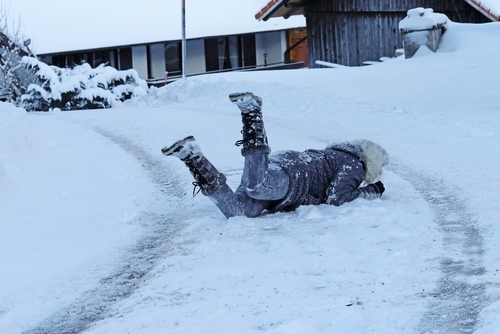
Understanding Premises Liability During Winter Weather
Property owners in Illinois have a general duty to maintain their premises in a reasonably safe condition, and this responsibility extends to snow and ice removal. When consulting with a Slip and Fall Lawyer in Chicago, IL, you’ll learn that liability often depends on several factors including the type of property, the status of the injured person (invitee, licensee, or trespasser), and whether the property owner took reasonable steps to address hazardous conditions. Illinois follows what’s known as the natural accumulation rule, which generally protects property owners from liability for injuries caused by natural accumulations of ice and snow. However, this protection has limits, particularly when property owners create unnatural accumulations through their snow removal efforts or allow dangerous conditions to persist.
Municipal ordinances add another layer to these responsibilities. In communities like Elmwood Park, specific snow removal requirements kick in when snowfall reaches certain thresholds. According to local regulations, Elmwood Park Snow Removal restrictions begin when there’s an accumulation of 2 inches or more. These parking restrictions, which alternate between odd and even-numbered addresses on corresponding calendar days between 8 a.m. and 5 p.m., aim to help the Village clear streets from curb to curb within 2 work days following a snowfall. While these ordinances primarily address street clearing for traffic safety, they can also impact how courts view a property owner’s knowledge of dangerous conditions.
💡 Pro Tip: Keep a weather log during winter months if you own property – recording snowfall dates, amounts, and when you performed snow removal can provide valuable documentation if someone claims injury on your property.
The Snow Removal Process and Legal Timeline
Understanding the timeline of snow removal obligations helps both property owners and injury victims establish when dangerous conditions existed and whether reasonable care was exercised. When working with a Slip and Fall Lawyer in Chicago, IL, establishing this timeline becomes crucial for determining liability. The process typically unfolds as follows, with each step potentially affecting legal responsibility:
- Initial snowfall occurs – natural accumulation begins and property owners should monitor conditions
- Snow accumulation reaches 2 inches or more – municipal parking restrictions take effect the following day in affected areas
- Property owners must assess their premises and begin reasonable snow removal efforts within a reasonable time after the storm ends
- The Village works to clear streets within 2 work days, creating windrows at driveways that residents must handle
- Any unnatural accumulations created by plowing or improper removal may create new liability risks
- Property owners must continue monitoring for refreezing and new hazards as conditions change
💡 Pro Tip: Illinois has a two-year statute of limitations for personal injury claims, but evidence of winter conditions can disappear quickly – photographing and documenting conditions immediately after a fall provides the strongest foundation for any potential claim.
Protecting Your Rights After a Winter Slip and Fall
If you’ve suffered injuries from a slip and fall on snow or ice, taking the right steps immediately can significantly impact your ability to recover compensation. Working with a Slip and Fall Lawyer in Chicago, IL provides you with guidance through the complex interplay of premises liability law, municipal ordinances, and weather-related defenses. Lawyer Furqan has extensive experience helping injury victims understand their rights and build strong cases even when winter weather complicates liability questions. The firm’s approach focuses on thorough investigation of the specific conditions that caused your fall, including whether the property owner followed applicable snow removal requirements and whether any unnatural accumulations contributed to the hazard.
Resolution of winter slip and fall cases often involves demonstrating that the property owner either created an unnatural accumulation through improper snow removal or had actual or constructive notice of a dangerous condition and failed to address it reasonably. This might include showing that snow removal efforts created icy patches, that downspouts or poor drainage created localized ice formations, or that the property owner ignored obvious hazards for an unreasonable time. Understanding local ordinances like the Snow and Ice Removal Act requirements helps establish the standard of care expected in the community, though violation of such ordinances doesn’t automatically establish liability.
💡 Pro Tip: Seek medical attention immediately after any slip and fall, even if injuries seem minor – documentation of immediate medical care strengthens your claim and ensures hidden injuries like concussions or soft tissue damage receive proper treatment.
Common Winter Hazards That Create Liability
Not all winter slip and fall accidents stem from natural snow and ice accumulation. Property owners can create dangerous conditions through their actions or inactions, potentially exposing themselves to liability even under Illinois’s natural accumulation doctrine. A Slip and Fall Lawyer in Chicago, IL can help identify whether specific hazards on a property rise to the level of unnatural accumulations or demonstrate negligent maintenance. Understanding these distinctions helps both property owners avoid creating hazards and injury victims recognize when they may have valid claims despite winter weather conditions.
Unnatural Accumulations and Property Owner Actions
Unnatural accumulations occur when property owners’ snow removal efforts or property features create hazardous conditions beyond what nature alone would produce. For example, the Village’s snow removal operations acknowledge that angle plows create windrows at driveways, and drivers cannot raise plows at individual driveways during operations. This means property owners must handle these plow-created accumulations at their driveways, and failure to do so could create liability if someone slips on the resulting ice formation. Similarly, piling snow in areas where it will melt and refreeze across walkways, or using downspouts that direct water onto sidewalks where it freezes, can create actionable hazards that fall outside natural accumulation protection.
💡 Pro Tip: Watch for property features that channel water onto walking surfaces – gutters without proper extensions, sloped parking lots without adequate drainage, and architectural features that create melt-and-refreeze cycles often contribute to premises liability claims.
Municipal Requirements and Private Property Obligations
While Elmwood Park’s snow removal ordinance primarily addresses street clearing and parking restrictions, property owners must understand how municipal requirements interact with their private property obligations. The Village’s goal to clear streets from curb to curb within 2 work days following a snowfall establishes a community standard for timely snow response. Property owners, while not bound by the exact same timeline, may find courts considering municipal standards when evaluating whether they acted reasonably in maintaining their premises.
Parking Restrictions and Property Access
The alternating parking restrictions that prohibit parking on odd-numbered addresses (East and South sides) on odd calendar days and even-numbered addresses (West and North sides) on even days between 8 a.m. and 5 p.m. create both opportunities and challenges. Property owners must ensure their snow removal efforts don’t simply transfer hazards from their property onto public sidewalks or create dangerous conditions for people moving vehicles to comply with restrictions. Violations resulting in the $50 fine per occurrence and potential towing at the owner’s expense indicate the seriousness with which the Village treats snow removal operations, suggesting courts may similarly expect prompt attention to snow-related hazards on private property.
💡 Pro Tip: Coordinate your property’s snow removal schedule with municipal plowing operations – clearing your walks and drives after street plowing prevents you from having to clear the same areas twice and reduces the risk of creating unnatural accumulations.
Building Your Case: Evidence and Documentation
Successfully pursuing a winter slip and fall claim requires thorough documentation that goes beyond typical personal injury cases. When working with a Slip and Fall Lawyer in Chicago, IL, you’ll need evidence that addresses both the conditions at the time of your fall and the property owner’s knowledge or notice of those conditions. Weather records, including temperature fluctuations and precipitation data, become crucial for establishing whether ice formations were natural or resulted from property owner actions. Photographs showing the exact location and nature of the hazard, witness statements about how long conditions existed, and any records of complaints or previous incidents strengthen your position.
Proving Notice and Unreasonable Response Time
Establishing that a property owner had actual or constructive notice of dangerous conditions often determines case outcomes. Constructive notice means the hazard existed long enough that a reasonable property owner should have discovered and addressed it. If a property received 2 inches of snow triggering Elmwood Park Snow Removal restrictions, this same accumulation puts property owners on notice that hazardous conditions likely exist on their premises. The longer conditions persist after a storm ends, the stronger the argument that property owners had constructive notice and failed their duty of reasonable care.
💡 Pro Tip: Request surveillance footage immediately after a fall – many properties overwrite security recordings within days or weeks, and this footage often provides the best evidence of conditions and how long they existed.
Frequently Asked Questions
Common Legal Concerns About Winter Slip and Fall Cases
Winter weather creates unique challenges for premises liability cases in Illinois. Understanding how snow and ice affect property owner duties and injury claims helps both accident victims and property owners navigate these complex situations. Here are answers to common questions about winter slip and fall incidents.
💡 Pro Tip: Don’t assume winter weather automatically prevents recovery in slip and fall cases – many successful claims involve proving that property owner actions or inactions created hazards beyond natural accumulation.
Next Steps After a Winter Slip and Fall
Taking appropriate action after a slip and fall on snow or ice can significantly impact your ability to recover compensation. From immediate medical care to preserving evidence, each step matters in building a strong case that overcomes winter weather defenses.
💡 Pro Tip: Keep all winter clothing and footwear worn during your fall – the condition and type of shoes you wore may become relevant evidence, and salt or ice melt residue on clothing can help establish property conditions.
1. Does the natural accumulation rule in Illinois mean I can never recover damages for slipping on snow or ice?
No, the natural accumulation rule has important exceptions. While property owners generally aren’t liable for injuries from naturally occurring snow and ice, they can be held responsible for unnatural accumulations they create or aggravate. This includes hazards from improper snow removal, defective gutters causing ice formations, or snow piles that melt and refreeze across walkways. An Elmwood Park Illinois Slip and Fall attorney can evaluate whether your specific accident involved conditions beyond natural accumulation protection.
2. How do municipal snow removal ordinances affect my slip and fall case?
Municipal ordinances like those requiring action when snow reaches 2 inches help establish community standards for reasonable response times. While violating these ordinances doesn’t automatically create liability, compliance or non-compliance may influence how courts view whether a property owner acted reasonably. The Snow and Ice Removal Act and local requirements provide context for evaluating property owner conduct, though private property obligations differ from public street clearing rules.
3. What’s the difference between actual and constructive notice in winter slip and fall cases?
Actual notice means the property owner knew about the specific dangerous condition, such as receiving complaints about an icy walkway. Constructive notice applies when a hazard existed long enough that a reasonable property owner should have discovered it through ordinary diligence. In winter cases, constructive notice often depends on how long after a storm ended the accident occurred and whether reasonable inspection would have revealed the danger. Your Illinois premises liability lawyer will investigate both types of notice to build your case.
4. How long do I have to file a lawsuit for a winter slip and fall in Illinois?
Illinois law provides a two-year statute of limitations for personal injury claims, including slip and fall cases. This means you must file your lawsuit within two years from the date of your accident. However, evidence specific to winter conditions can disappear quickly as weather changes, snow melts, and properties perform additional maintenance. Consulting with a Cook County slip and fall lawyer promptly helps preserve crucial evidence while meeting legal deadlines.
5. Should I accept a quick settlement from the property owner’s insurance company?
Insurance companies often offer quick settlements hoping to resolve claims before injury victims understand their case’s full value or discover the extent of their injuries. Winter slip and fall injuries may involve delayed symptoms, especially for back, neck, or head injuries that worsen over time. Before accepting any settlement, consult with an Elmwood Park Illinois Slip and Fall lawsuit attorney who can evaluate whether the offer fairly compensates you for medical expenses, lost wages, pain and suffering, and potential future damages.
Work with a Trusted Slip and Fall Lawyer
Winter slip and fall cases require attorneys who understand both premises liability law and how winter weather affects property owner duties. At Lawyer Furqan, we combine extensive experience in personal injury litigation with deep knowledge of local ordinances and Illinois law regarding snow and ice-related accidents. Our approach involves thorough investigation of weather conditions, property maintenance records, and the specific circumstances that led to your injuries. We work to overcome the challenges winter weather creates in premises liability cases, building strong arguments that property owners failed their duty of reasonable care. If you’ve been injured in a slip and fall accident, contact us for a consultation to discuss your rights and options for recovery.
Don’t get caught in a winter liability snowfall—reach out to Lawyer Furqan for clear legal insights on property responsibilities. We’re here to support your needs, just a phone call away at 847.800.8978 or connect with us directly by clicking contact us.