
Key Takeaways
- Illinois judges a cyclist by the same rules as a driver. Under 625 ILCS 5/11-1502 you get a driver’s rights, including right-of-way, and carry a driver’s duties.
- A driver passing you owes two duties, not one: change lanes if another is available, and leave at least 3 feet, held until safely past.
- Dooring is its own violation, and it binds passengers as well as drivers.
- Breaking a rule is not automatic fault. A violation is prima facie evidence of negligence, it can be rebutted, and you still must prove it caused the crash.
- Your own share of fault reduces what you collect, and above 50% erases it (735 ILCS 5/2-1116).
- Your deadline may be one year, not two, if the claim is against a village, county, park district or other local public body.
The short answer
In most Illinois crashes between a car and a bicycle, the driver is at fault, because the collisions that actually happen tend to be caused by passing too closely, opening a door into traffic, or turning across a rider’s path. But fault is never automatic. Illinois decides it by asking which road user broke a duty owed to the other, and whether that caused the crash.
What most riders do not realize is that the analysis runs both ways. A bicycle on the road is treated as a vehicle, which gives you the right to be there and to be yielded to, and also makes your own riding fair game.

A bicycle on the road is treated as a vehicle
The provision everything hangs on is short. Section 11-1502 of the Illinois Vehicle Code says a person riding a bicycle upon a highway “shall be granted all of the rights, including, but not limited to, rights under Article IX of this Chapter, and shall be subject to all of the duties applicable to the driver of a vehicle.”
Article IX is the right-of-way article, and the legislature named it on purpose. That cross-reference means the ordinary yielding rules protect you exactly as they protect a car. A driver turning left within an intersection or into a driveway must yield to anything approaching from the opposite direction close enough to be an immediate hazard (11-902). A driver pulling out of an alley or driveway must yield to everything already on the road (11-906). At an uncontrolled intersection, the driver on the left yields to the road user on the right (11-901).
This is why “I never saw the bike” rarely helps a driver: the duty is not to yield to whatever they happened to notice. The same framework governs our car accident and motorcycle accident cases.
The three driver duties that decide most of these crashes
Passing: a lane change plus 3 feet
Illinois asks more of a passing driver than most riders assume. Under 625 ILCS 5/11-703(d), a driver overtaking a bicycle must do two things. First, if another same-direction lane is available, change into it before passing, where practicable and not prohibited by law. Second, “leave a safe distance, but not less than 3 feet, when passing” and maintain that distance until safely past.
Two details matter. The 3 feet is a floor, not a target: the statute requires a safe distance and sets 3 feet as the minimum that could qualify. The duty also does not end at maximum overlap, so a driver who clears you by 3 feet then cuts back early has not maintained it.
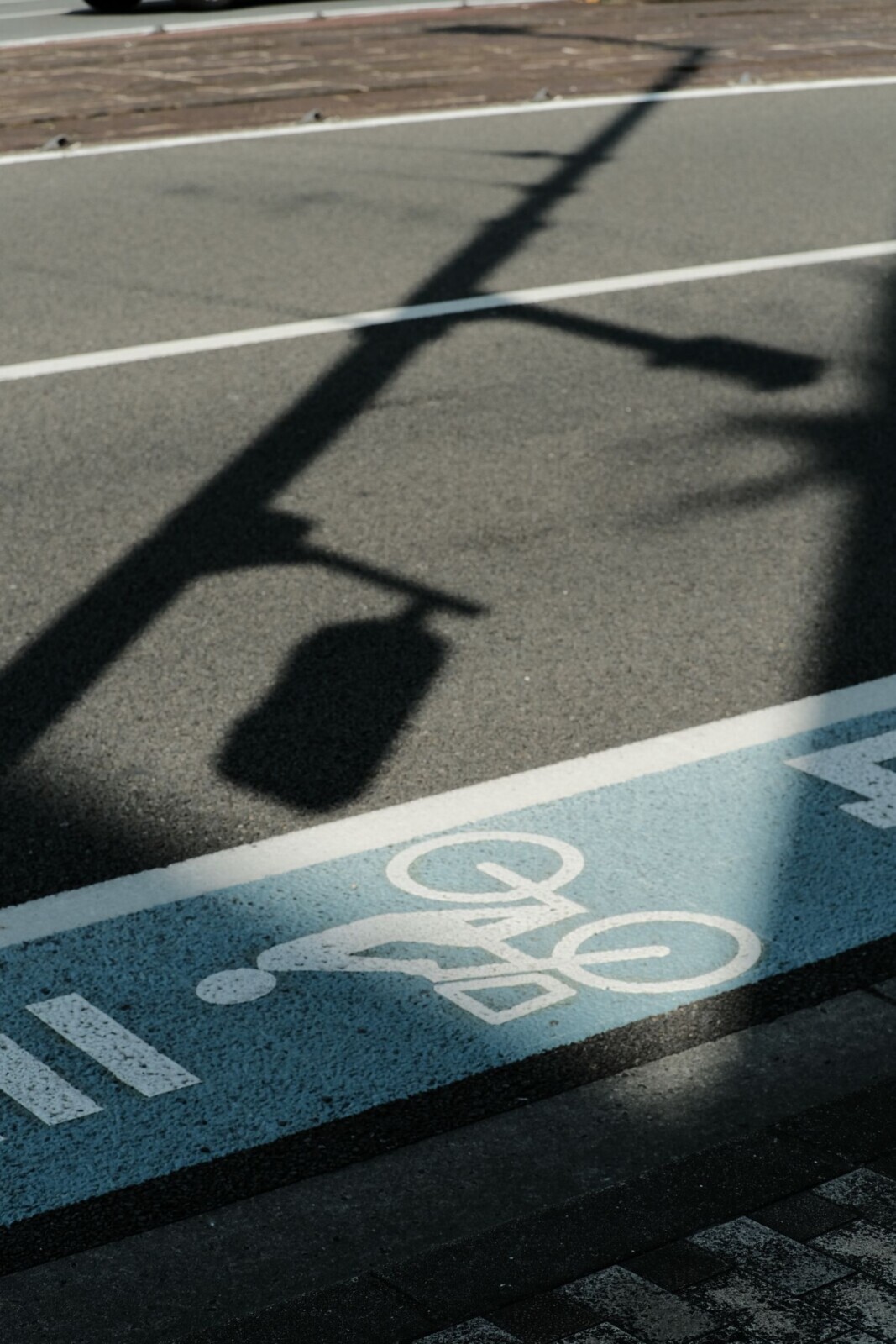
డోరింగ్
Section 11-1407 is one sentence and does a lot of work: no person shall open the door of a vehicle on the side available to moving traffic “unless and until it is reasonably safe to do so,” nor leave it open longer than necessary to load or unload.
Note who that binds. It says “no person,” not “no driver,” so a passenger who flings open a rear door into a bike lane is squarely inside it. And the standard is reasonable safety before opening, which is why “I checked the mirror” is where the argument starts, not where it ends.
Turning across a rider’s path
The left turn across oncoming traffic and the right turn cut across a rider going straight produce the worst injuries, because the rider has nowhere to go. Both are governed by the yielding rules above, applied through 11-1502, and both often cause a brain injury or another catastrophic injury.
What a broken rule actually proves
Here is where general guidance goes wrong. It is tempting to read “the driver passed me at 18 inches” as “the driver is liable.” Violating a statute designed to protect human life or property is prima facie evidence of negligence, not negligence in itself (Davis v. Marathon Oil Co., 64 Ill. 2d 380 (1976)), and the Illinois Pattern Jury Instructions build that into the instruction jurors actually hear, IPI Civil 60.01.
| What happened | What it proves | What still has to be shown |
|---|---|---|
| Driver passed within 3 feet | Prima facie evidence of negligence, which the driver may rebut by showing they acted reasonably | That the close pass was a proximate cause of the crash and your injuries |
| Driver complied with every rule | Evidence that the driver was not negligent, but not conclusive | Whether ordinary care required more than the statutory minimum |
| Rider also broke a rule | The same prima facie standard, applied to the rider | How much of the total fault a jury assigns to each side |
The second row is the one insurers dislike: compliance is admissible to show a party was not negligent, but Illinois treats it as relevant rather than conclusive (Rucker v. Norfolk & Western Railway Co., 77 Ill. 2d 434 (1979)). Three feet and a lawful speed can both be met and the pass still be unreasonable on a narrow, wet, poorly lit street. The third column matters as much: prima facie evidence of negligence is not a prima facie case of liability, because proximate cause must still be proved (Tenenbaum v. City of Chicago, 60 Ill. 2d 363 (1975)).
The duties that run the other way
Because 11-1502 hands you a driver’s duties along with the rights, an insurer will look hard at your own riding. The rules raised most often:
- Position on the road (625 ILCS 5/11-1505). A rider slower than traffic stays as close as practicable and safe to the right edge, with four exceptions: passing, preparing for a left turn, approaching a right turn, and avoiding hazards. That last one expressly covers parked vehicles, surface hazards, and a “substandard width lane,” one too narrow for a bicycle and a car side by side. Taking a narrow lane is the statute working as written.
- Lights at night (625 ILCS 5/11-1507). A white front lamp visible from 500 feet, plus a rear red reflector or red lamp.
- Signals (625 ILCS 5/11-1511). Hand signals during the last 100 feet before turning.
- Sidewalks and crosswalks (625 ILCS 5/11-1512). Riding on a sidewalk or crosswalk gives you the rights and duties of a pedestrian, and you must yield to people on foot.
Helmets: what Illinois does and does not require
Illinois has no statewide bicycle helmet law. Article XV of the Vehicle Code sets requirements for seats, brakes, lamps, reflectors and signals, and contains no helmet provision at any age, though local governments and park districts can set their own rules. With no statutory helmet duty, there is no violation for a driver’s insurer to argue from under the framework above. Whether a jury may hear about a helmet at all is a separate, fact-specific question worth raising with a lawyer early.
Shared fault, and the 50% cliff
Under 735 ILCS 5/2-1116, if your share of the fault is 50% or less you recover, reduced in proportion to that share. If it is more than 50% you are barred entirely. There is no partial recovery above the line, which is why the gap between 50% and 51% is the gap between a real case and no case.

Illustrative figures only. Source: 735 ILCS 5/2-1116.
Every percentage point an insurer attaches to your riding comes off your recovery, and enough of them ends it. We cover the mechanics in our posts on Illinois negligence law and recovering when partly at fault.
Your deadline may be one year, not two
Most people know the two-year figure, from 735 ILCS 5/13-202, which covers claims against another road user or a business. What gets missed is the shorter one, and cyclists hit it more often than drivers, because so much of what a rider strikes belongs to a public body: a village street, a park district path, a municipal vehicle.
| Who the claim is against | Deadline to file suit | Authority |
|---|---|---|
| Another driver, a passenger who doored you, a business | 2 years from the injury | 735 ILCS 5/13-202 |
| A village, city, county, park district, school district or other local public entity, or its employee | 1 year from the injury | 745 ILCS 10/8-101(a) |
A crash can sit in both rows at once. If a driver hit you while you were avoiding a hazard in a village street, the claim against the driver runs two years and the one against the village runs one, so waiting out the first quietly destroys the second. If the driver fled or was uninsured, your own uninsured motorist coverage may still respond, as we cover in our posts on UM coverage and hit-and-run claims.
What actually decides these cases
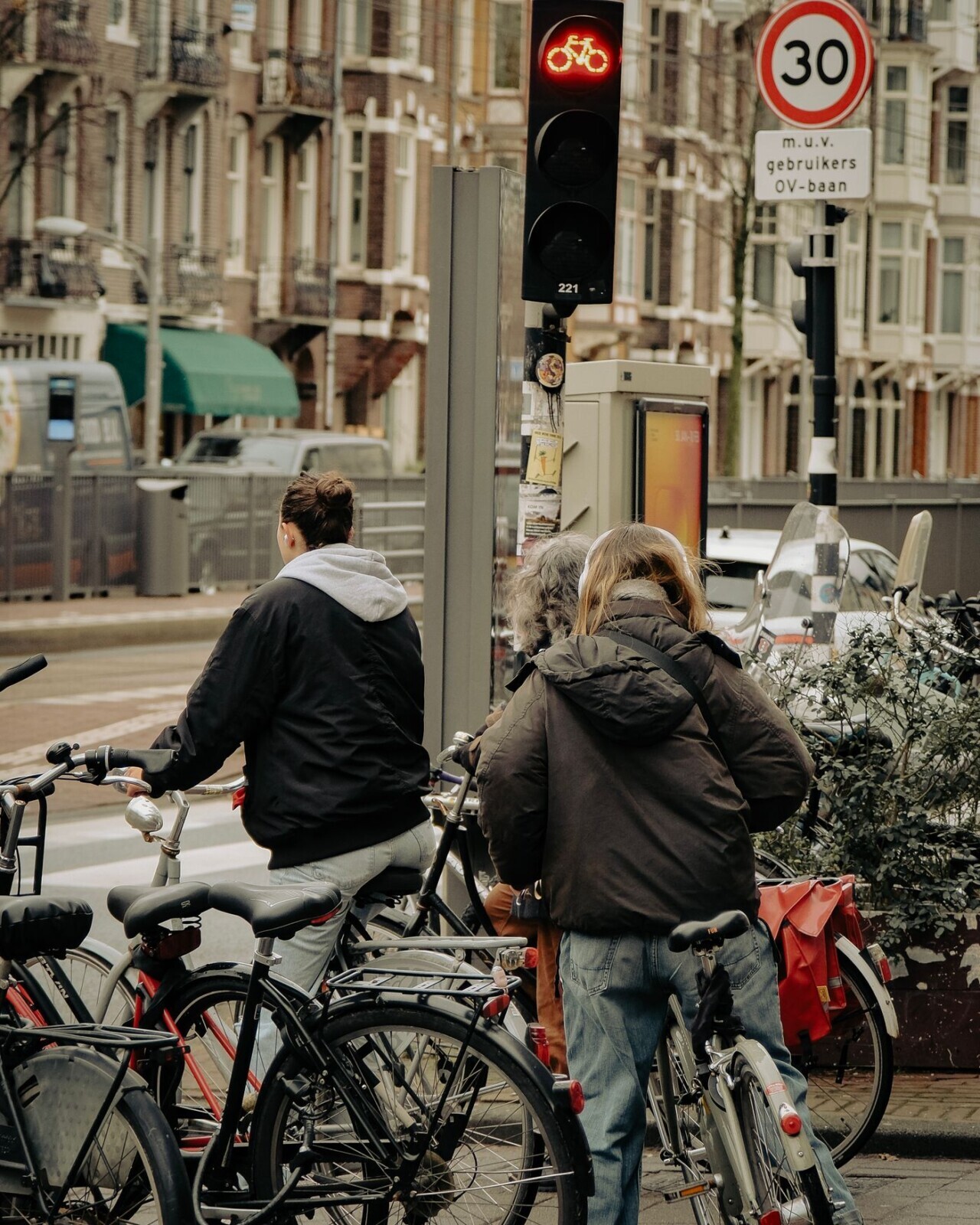
Evidence in a bicycle case decays faster than in a car case, and the bike itself is the crash record.
- The bike, unrepaired. Damage patterns show impact direction and often contradict a driver’s account of where you were.
- Position evidence. Photographs of lane width, parking, bike lane markings and sight lines defeat a claim that you should have been further right.
- Video, from doorbell, dashcam and business cameras, requested within days, because most systems overwrite in one to two weeks.
- Prompt medical records, tying the injury to the crash before an insurer blames something else.
Hurt by a driver while riding your bike?
If a village street or park district path is involved, you may have one year to sue, not two. Your own share of fault also reduces what you collect.
Call 847-800-8978Free case review →
Free personal injury consultation. No fee unless we win.
తరచుగా అడిగే ప్రశ్నలు
Is the driver always at fault when a car hits a bicycle in Illinois?
No. The driver is at fault in most of these crashes, because the common patterns are close passes, dooring and turns across a rider’s path. But Illinois decides fault by asking who breached a duty and whether that breach caused the crash. A cyclist who rode against traffic, ran a signal or rode unlit at night can be assigned part or all of it.
How much room must a driver give a cyclist in Illinois?
Under 625 ILCS 5/11-703(d), a driver overtaking a bicycle must leave a safe distance, never less than 3 feet, and maintain it until safely past. The driver must also change into another same-direction lane first, if one is available and it is practicable and lawful. The 3 feet is a legal minimum, not a safe target, and conditions can require more.
Does not wearing a helmet hurt my bicycle accident claim in Illinois?
Illinois has no statewide bicycle helmet law, and Article XV of the Vehicle Code imposes none at any age, so there is no statutory violation for an insurer to argue from. Local ordinances can still apply. Whether a jury may hear anything about a helmet is a separate, fact-specific question, so raise it with a lawyer rather than assuming it sinks your claim.
Can I still recover if I was partly at fault for the bicycle crash?
Yes, as long as your share is 50% or less. Under 735 ILCS 5/2-1116 your damages are reduced in proportion to your fault, so a 20% share of a $100,000 award leaves $80,000. If a jury finds your fault was more than 50%, you recover nothing.
Am I allowed to ride in the middle of the lane in Illinois?
Often, yes. Section 11-1505 asks a rider moving slower than traffic to stay as close as practicable and safe to the right, then lists exceptions covering much of city riding: passing, preparing for a left turn, approaching a right turn, and avoiding hazards including parked cars, surface hazards and a lane too narrow for a bicycle and a car to travel safely side by side.
How long do I have to file a bicycle accident claim in Illinois?
Generally two years from the injury against a driver, a passenger or a business, under 735 ILCS 5/13-202. If the claim is against a local public entity, such as a village, county, park district or forest preserve district, it drops to one year under 745 ILCS 10/8-101. Cyclists hit that shorter deadline more often than drivers, because road and path defects usually mean a public defendant.
Talk to an Elmwood Park bicycle accident lawyer
The useful work happens in the first few weeks: preserving the bike before it is repaired, pulling video before it overwrites, and identifying early whether a public body belongs in the case, because that quietly sets your deadline at one year.
If you were hit while riding in Elmwood Park, Oak Park, Skokie, Niles, Oak Lawn or anywhere in Cook County, Lawyer Furqan will tell you honestly where the fault arguments land and handle what is time sensitive now.
Sources and authorities cited
- 625 ILCS 5/11-1502 · traffic laws apply to bicycles, including Article IX rights
- 625 ILCS 5/11-703(d) · overtaking a bicycle: lane change, and not less than 3 feet
- 625 ILCS 5/11-1407 · opening and closing vehicle doors
- 625 ILCS 5/11-901, 11-902, 11-906 · right-of-way rules
- 625 ILCS 5/11-1505, 11-1507, 11-1511, 11-1512 · rider position, lamps, signals, sidewalks
- 735 ILCS 5/2-1116 · comparative negligence, barred above 50%; 735 ILCS 5/13-202 · two-year limitation; 745 ILCS 10/8-101(a) · one-year limitation, local public entities
- IPI Civil 60.00, Statutory Violations, citing Davis v. Marathon Oil Co., 64 Ill. 2d 380 (1976), Tenenbaum v. City of Chicago, 60 Ill. 2d 363 (1975), and Rucker v. Norfolk & Western Railway Co., 77 Ill. 2d 434 (1979)
This article is general legal information about Illinois law, not legal advice, and creates no attorney-client relationship. Fault depends on the facts of each case, and nothing here predicts a result.