
Your Trusted Chicago Premises Liability Lawyer
If you were hurt on someone else’s property in Chicago because it was not kept safe, you may be facing medical bills and lost time through no fault of your own. You do not have to take on the property owner and their insurer alone. Furqan Mohammed helps injured people across Chicago hold negligent owners accountable and pursue the compensation they deserve.
Understanding Premises Liability in Illinois
Premises liability holds property owners and occupiers responsible when unsafe conditions on their property injure someone. Under the Illinois Premises Liability Act, an owner or occupier owes everyone lawfully on the property a duty of reasonable care under the circumstances (740 ILCS 130/2). When a careless failure to fix or warn of a hazard causes injury, you may be entitled to compensation. In most cases you have two years from the date of injury to file a claim (735 ILCS 5/13-202).
Common Types of Premises Liability Claims
Premises liability covers far more than a single kind of accident. Some of the most common claims include:
Slip, trip, and fall
Negligent security
Falling objects
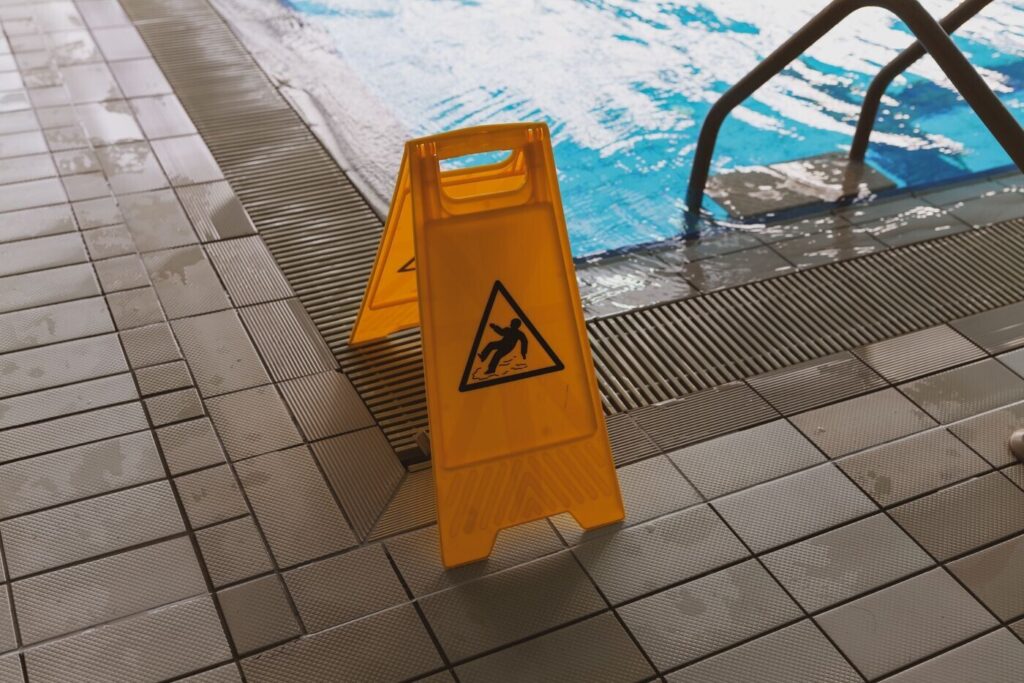
Swimming pool accidents
Dangerous property conditions
Proving a Premises Liability Claim
To recover, you generally must show that the owner or occupier owed you a duty of reasonable care, knew or should have known about the dangerous condition, failed to fix it or warn you, and that this failure caused your injury. Illinois applies a single reasonable-care standard to everyone lawfully on the property (740 ILCS 130/2).
Illinois follows a modified comparative negligence rule: your compensation is reduced by your share of fault, and you can still recover as long as you are not more than 50% at fault (735 ILCS 5/2-1116). Property owners often argue a hazard was ‘open and obvious,’ so how the injury happened matters.
Types of Compensation
Depending on the nature and severity of your injury, you may be entitled to compensation for a range of losses, including:
Medical expenses
Covers emergency care, hospitalization, therapy, and future medical needs
Lost income
Reimburses wages lost due to injury and diminished earning capacity
Property damage
Repairs or replaces your vehicle and other damaged property
Pain and suffering
Accounts for physical pain, emotional distress, and loss of normal life
Loss of consortium
Compensation for harm to spousal relationships
How Furqan Mohammed Can Help
A premises liability lawyer like Furqan Mohammed can build your case against the property owner and their insurer, including:
- Investigating the hazard and preserving evidence before it is repaired
- Proving the owner knew or should have known about the danger
- Documenting your injuries and calculating your full losses
- Negotiating a fair settlement or taking your case to court
Property owners and their insurers often argue that a hazard was obvious or that you were not watching where you were going. Furqan Mohammed stands up to those tactics and, if needed, files suit in the Circuit Court of Cook County. The firm serves injured people across Chicago, with assistance available in Arabic and other languages.
Frequently Asked Questions
Premises liability is the area of law that holds property owners and occupiers responsible when an unsafe condition on their property injures a lawful visitor. It covers slip and falls, negligent security, falling objects, pool accidents, and other dangerous conditions.
A slip and fall is one common type of premises liability claim. Premises liability is broader and also covers negligent security, falling objects, swimming pool accidents, and other unsafe property conditions.
In most cases, two years from the date of injury (735 ILCS 5/13-202). Shorter deadlines can apply to claims against a government property owner, so it is best to act quickly.
Generally yes. You must show the owner knew, or through reasonable care should have known, about the dangerous condition and failed to fix it or warn you (740 ILCS 130/2).
You may still recover. Illinois uses modified comparative negligence: your compensation is reduced by your share of fault, and you can recover as long as you are not more than 50% at fault (735 ILCS 5/2-1116).